
Where Faster Movement Starts Changing Premium Living in Ghaziabad
The Delhi–Meerut Highway is doing more than reducing travel time. It is changing how buyers read premium housing in Ghaziabad and where they now see stronger long-term value. What was once viewed mainly as a practical city is being re-evaluated through better connectivity, smoother access to Delhi, and the rise of more refined residential pockets. Recent coverage from Hindustan Times said Ghaziabad has entered the ₹3 crore housing club, with the Delhi–Meerut Expressway playing a central role in that premium shift.
That change matters because premium demand does not rise on project branding alone. It strengthens when a location begins supporting easier daily movement, wider city reach, and a more comfortable living pattern. For buyers comparing 3 BHK flats in Ghaziabad, 4 BHK flats in Ghaziabad, and larger township-style homes, the conversation is becoming less about buying into an older market image and more about choosing a location that feels better connected to work, travel, and future growth. In that sense, the Delhi–Meerut Highway is not just improving access. It is helping reshape how premium residential life in Ghaziabad is being valued
What Better Connectivity Changes for a Housing Market
Better connectivity usually changes a housing market first at the level of buyer confidence. When a city becomes easier to reach and easier to move through, buyers start viewing it with less hesitation. In Ghaziabad, that shift is now closely linked to the Delhi–Meerut Highway, which Hindustan Times said has helped push the city into the crore housing bracket, showing that improved access is now supporting stronger premium demand.
It also changes how developers read the market. Once regional movement improves, developers gain more confidence that buyers will accept better planning, larger formats, and higher pricing in locations that were once seen mainly as practical or mid-market. That is why premium launches are becoming easier to support in Ghaziabad, with the expressway helping turn connectivity into a more investable residential story.
Over time, this begins to change the image of the city itself. A place that was earlier viewed mostly through affordability starts being discussed through access, lifestyle upgrade, and wider relevance across NCR. That is the bigger effect of the Delhi–Meerut Highway on premium housing in Ghaziabad: it is not only improving travel, it is also changing how the city is priced, perceived, and compared.
When Ghaziabad Was Viewed as the Practical Choice?
For many years, Ghaziabad was largely viewed as a practical housing market rather than a premium one. Buyers often considered it when Delhi felt too expensive or when Noida options stretched beyond budget, making the city a value-driven alternative for families seeking more space at a manageable cost. The conversation was usually centred around affordability, functional living, and daily convenience instead of prestige, luxury positioning, or high-end residential demand. Before stronger corridor-led growth began gaining attention, Ghaziabad was commonly seen as a sensible choice rather than an aspirational one.
How Builders Are Focusing on Better-Connected Ghaziabad
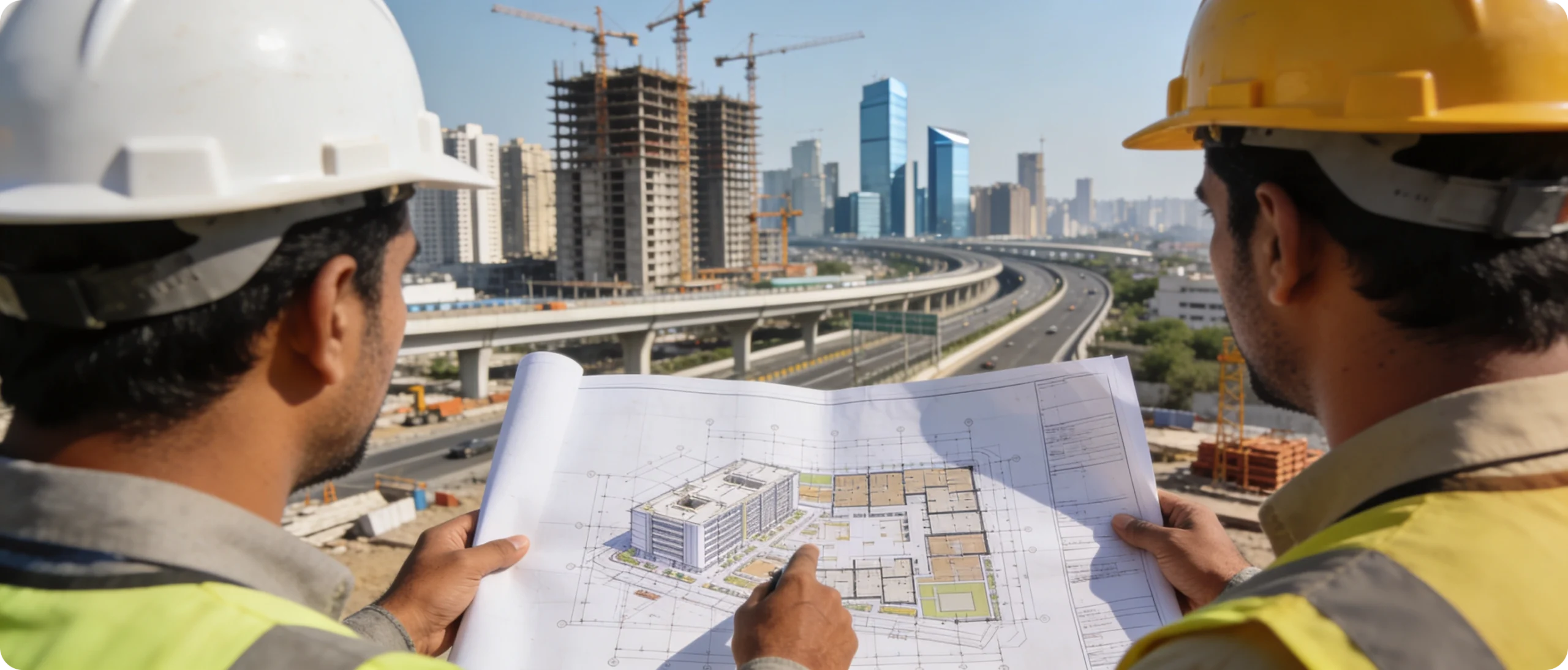
Builder activity in Ghaziabad is no longer spreading evenly across the city. It is concentrating more clearly in pockets where movement has improved and premium demand now feels easier to support. Hindustan Times reported in February 2026 that the Delhi–Meerut Expressway is driving Ghaziabad’s premium housing shift, with the city entering the ₹3 crore housing bracket. That broader change helps explain why developers are paying closer attention to better-connected locations rather than relying only on older market patterns. In belts like Siddharth Vihar, market visibility now includes names such as Prateek Group, Gaurs, Apex, Antriksh, and T&T Group, showing that builder interest is clustering where access has become a stronger part of the housing story.
Within that wider builder movement, Prateek Group stands out a little more because its presence is tied directly to a larger township setting and a fresh premium push in the same corridor. Moneycontrol reported that the group is investing over ₹2,000 crore in Prateek Grand Begonia in Siddharth Vihar, along the Delhi–Meerut Expressway, with 2,400 units planned across 2, 3, and 4 BHK formats. That does not mean it is the only serious player in the market, but it does make Prateek more relevant in this discussion because the company is expanding where connectivity, scale, and premium positioning are already beginning to align.
How Builders Identify the Right Growth Corridors Early
1. They Follow Stronger Access Before the Crowd Does
Experienced builders rarely wait for a location to become fully saturated before entering it. They usually track where roads, metro reach, and corridor movement are getting stronger. In markets like Ghaziabad, the Delhi–Meerut Highway becomes important because better access often signals stronger long-term residential relevance.
2. They Read Infrastructure as a Demand Signal
Developers study how new connectivity can change buyer behaviour over time. When an area begins linking more smoothly to major routes, office zones, and daily-use hubs, it starts looking more promising for premium housing in Ghaziabad. That early reading often shapes where serious builder activity begins.
3. They Look Beyond the Address to the Ecosystem
A builder does not evaluate only the project land or the sector name. The bigger question is how the surrounding location may function in the years ahead. In this kind of analysis, Ghaziabad premium housing becomes more viable where the wider ecosystem supports easier movement, livability, and future demand.
4. They Prefer Corridors That Support End-User Demand
The strongest growth corridors are not driven only by investor attention. Builders usually prefer locations where actual residents can live more comfortably, commute more easily, and access schools, hospitals, and city links without friction. That is what makes corridor-led growth more durable over time.
5. They Align Larger Projects With Better Connectivity
When access improves, developers become more confident about planning bigger formats, better layouts, and more complete residential communities. This is especially true for premium projects in Ghaziabad, where stronger movement corridors help support township-style planning and wider buyer appeal.
6. They Move Where Future Relevance Looks Clearer
Good builders try to enter locations that may stay important beyond the current market cycle. They watch where connectivity, urban growth, and residential demand are likely to strengthen together. In that sense, the Delhi–Meerut Highway is not just a road link. It helps signal where future-ready housing demand may concentrate.
Why Premium Housing Often Follows Infrastructure
Stronger infrastructure usually changes a housing market in a very practical order. Access improves first, then buyer confidence starts rising, and after that developers become more willing to launch better-planned projects in the same corridor. That is the pattern now visible around the Delhi–Meerut Highway, where Hindustan Times reported that improved connectivity is reshaping premium housing in Ghaziabad and changing how the city is being compared within NCR. When movement becomes easier and regional links feel stronger, premium housing starts looking more viable because buyers can see clearer daily value in the location itself.
That wider shift is not being driven by one builder alone. In Siddharth Vihar and nearby better-connected pockets, the market already features projects from Gaurs (Gaurs Siddhartham), Apex (Apex The Kremlin and Apex Quebec), T&T Group (T&T Eutopia), Antriksh (Antriksh Gold), and Prateek Group (Prateek Grand Begonia). What makes Prateek slightly more relevant in this discussion is that its newer push is directly aligned with the expressway-led premium story, while the broader cluster of builders around the same belt also shows that experienced developers are concentrating where access and future relevance look stronger.
|
Builder |
Project |
Why It Matters in This Blog |
|
Prateek Group |
Prateek Grand Begonia |
A newer premium push in Siddharth Vihar that fits the Delhi–Meerut Highway growth narrative closely. |
|
Gaurs |
Gaurs Siddhartham |
Shows that established developers have already treated this corridor as a serious residential destination. |
|
Apex Group |
Apex The Kremlin / Apex Quebec |
Reflects how multiple Apex projects are part of the same connected micro-market story. |
|
T&T Group |
T&T Eutopia |
Adds to the premium and upper-mid residential presence in Siddharth Vihar. |
|
Antriksh Group |
Antriksh Gold |
Shows that the corridor has had sustained builder interest, not just a recent spike. |
How Better Access Supports Both Price Growth and Rental Demand
Stronger connectivity usually changes a housing market in more than one way. As roads, expressways, and regional links improve, buyer confidence often rises first, and that can gradually support stronger price benchmarks over time. In Ghaziabad, this is becoming more visible in better-connected pockets such as Siddharth Vihar, where Hindustan Times reported proposed circle-rate revisions in 2025 that could raise apartment rates from ₹52,000 per sq m to ₹68,000 per sq m. That kind of movement does not happen through hype alone. It usually reflects a location that is being judged more seriously because access, corridor strength, and future relevance have improved.
The same access logic also helps the rental side of the market. Tenants usually care first about commute ease, city reach, and how smoothly a location connects to work and daily life. The Times of India reported that Siddharth Vihar sits along the Delhi–Meerut Expressway, with metro and rapid rail stations within about 5 km, while the Delhi-Ghaziabad-Meerut RRTS has seen ridership climb to average daily levels of 55,000 to 60,000 after network expansion. That matters because locations that reduce travel friction often appeal more strongly to both end-users and tenants, making premium housing in Ghaziabad feel not only more valuable to buy, but also more practical to occupy.
How Future Rail and Airport Links Could Add to the Story
1. A New Layer of Connectivity Is Being Planned
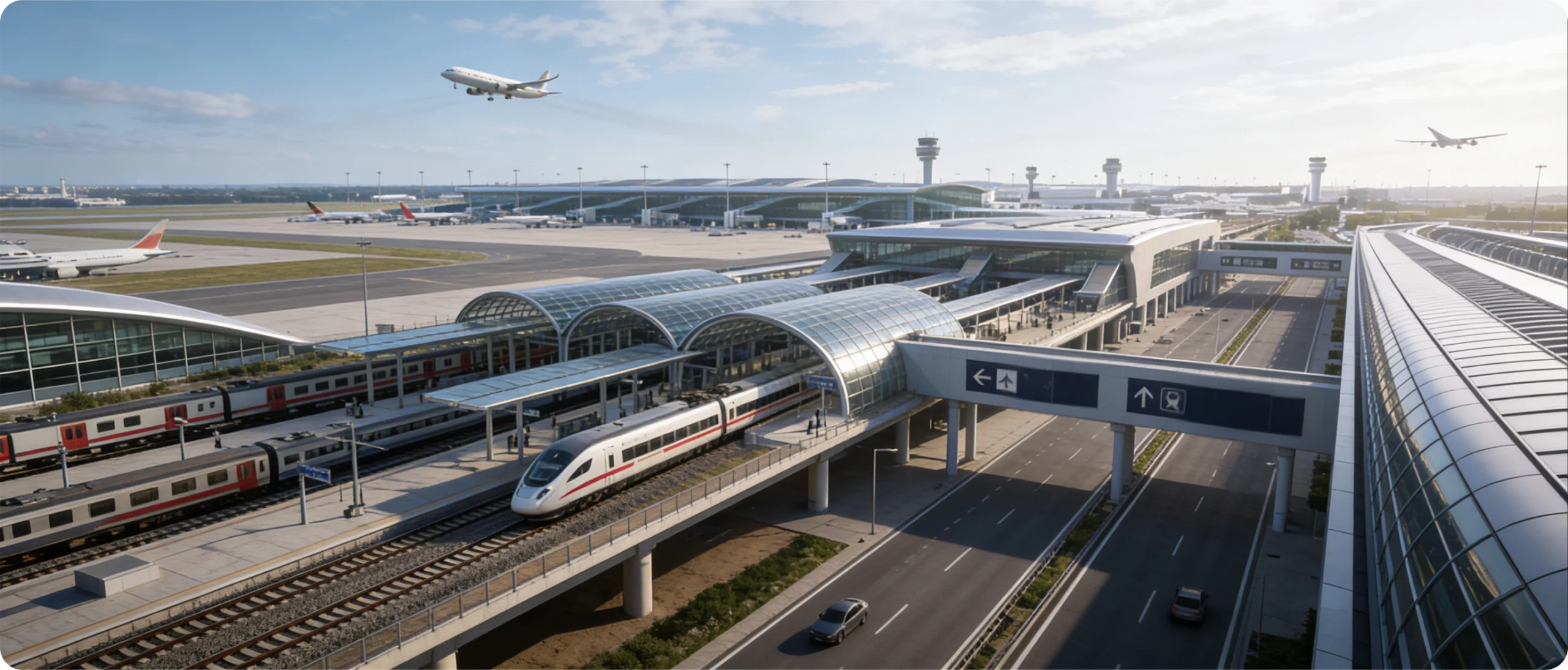
According to Hindustan Times, a proposed Ghaziabad–Jewar RRTS corridor has been prioritised as a new rapid connection between Siddharth Vihar and Noida International Airport, which adds another layer to the current Delhi–Meerut Highway story.
2. Siddharth Vihar Could Become Even More Relevant
What makes this more important for premium housing in Ghaziabad is that, as Hindustan Times reported, the planned corridor is expected to begin from Siddharth Vihar. That gives the micro-market more than just expressway value and strengthens its role in future corridor-based growth.
3. Airport Access Could Become More Direct
The Times of India reported that the proposed route would extend all the way to Noida International Airport, which means airport access may eventually become more direct for residents coming from the Ghaziabad side. That gives the location story a wider regional dimension.
4. The Corridor Is Planned at a Larger Scale
Both Hindustan Times and The Times of India described the proposal as a roughly 72 km corridor with 22 stations, combining RRTS-cum-metro planning rather than a short local connector. That scale suggests a much broader mobility role across connected growth zones.
5. More Interchanges Could Improve Everyday Reach
Reporting from Hindustan Times indicates that the route could pass through key belts such as Greater Noida West, Knowledge Park V, Surajpur, and Alpha-1, which would make the corridor more useful for daily movement, not just airport travel.
6. Corridor-Based Demand Could Strengthen Further
When a market gains both stronger road access and future rail support, residential demand often becomes more durable. In this context, the proposed link adds another reason why Ghaziabad premium housing may continue gaining relevance in better-connected pockets.
7. The Airport Story May Extend Beyond Noida Alone
Most airport-linked property discussions stay focused on Noida, but The Times of India reporting suggests this proposed corridor could widen that conversation by pulling Ghaziabad more directly into the airport-access story as well.
8. It Adds Future Weight to Today’s Housing Narrative
The main point is not that every proposal changes the market instantly. It is that layered connectivity tends to improve long-term confidence. With the Delhi–Meerut Highway already influencing movement, future rail and airport links could make selected Ghaziabad residential projects feel more connected and more relevant over time.
Ghaziabad’s Premium Shift Is Now Being Shaped by Connectivity
The Delhi–Meerut Highway has started changing more than travel across the region. It is influencing how premium housing in Ghaziabad is being viewed by buyers, builders, and the wider market. What once felt like a city chosen mainly for practicality is now being discussed through better access, stronger corridors, and a more connected residential future. As movement improves, the housing conversation also becomes more mature, with greater focus on livability, location strength, and long-term relevance.
That is what makes this shift important. The story is no longer only about where Ghaziabad stood earlier, but about where it is heading now. With better road connectivity, growing builder interest, stronger micro-markets, and future rail and airport links adding another layer, the city is being read differently than before. In that environment, Ghaziabad premium housing is becoming more meaningful not just because projects are improving, but because the city itself is becoming easier to trust, easier to access, and easier to value.